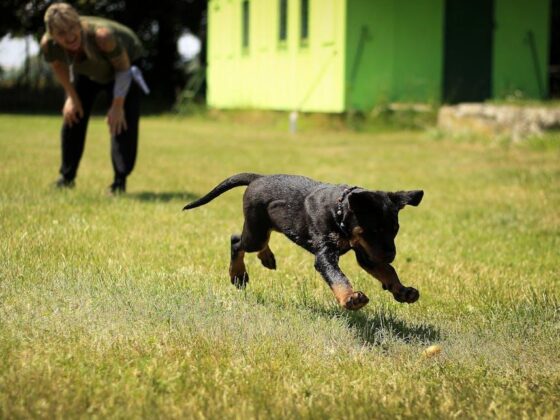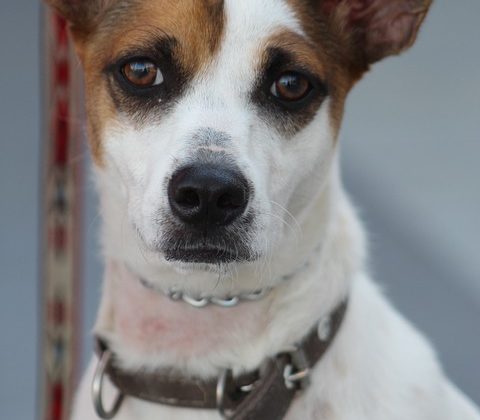

So you’ve got a new dog-or you’re finally ready to tackle training-and suddenly every article online makes it sound like you need a degree in canine psychology just to get your pup to sit. Deep breath. You don’t. Training a dog is mostly about patience, consistencyand keeping things simple (for both of you). And yes, there will probably be treats involved-for the dog, mostly.Whether your new buddy is a wiggly puppy or a rescue who’s still figuring out the rules,this guide is for total beginners. No jargon, no complicated routines, just easy dog training tips you can actually use starting today. Grab a coffee, put the chewed-up shoe asideand let’s make training feel a whole lot less overwhelming.
Start With Tiny Treats and Instant Praise
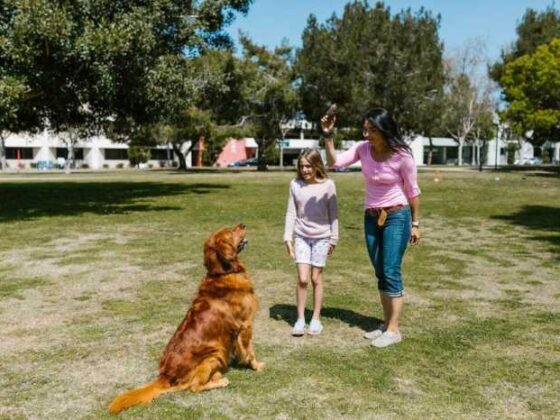
Forget the giant biscuit and the “good boy” that comes five minutes too late. Tiny treats – think pea-sized, softand stinky - let you reward your dog dozens of times in a single session without filling them up. Pair each one with instant praise the second their paws do the right thing. That split-second connection is what makes learning stick.
- Treat size: A sliver of cheese or freeze-dried liver, not a whole cookie.
- Praise timing: Say “yes!” the moment thay sit, not after you fumble for the treat.
- Reward frequency: Five tiny wins beat one big jackpot for a beginner pup.
Keep a treat pouch on your hip so your hand is always ready. And don’t save praise for perfect performance – reward the tiny effort first, like a nose touch or a half-spin. Here’s a fast cheat sheet for common beginner moments:
| Beginner moment | Tiny treat move | instant praise cue |
|---|---|---|
| Dog looks at you | One pea-sized treat | “Yes!” + happy voice |
| Dog sits by accident | Quick reward before they pop up | “Good sit!” right away |
| Dog comes when called | three tiny treats in a row | Party praise + gentle pet |
Keep Training Sessions Short and Super Fun
Think of each mini-session as a puppy snack break,not a marathon. Ten focused, waggy minutes will beat a tired half-hour every time, so watch your dog’s attention and wrap up before the yawns start. Quick rules for beginners:
- End on a win – one great “sit” and a treat jackpot, then done.
- Use a timer - three to five minutes for tiny pups, ten max for eager learners.
- Train before meals – a little hunger makes ordinary kibble feel like gold.
- Celebrate messy progress – a wobbly stay still counts as brave brilliance.
Fun is the secret sauce, so turn practice into play. Swap drill-sergeant vibes for silly voices, scatter treatsand let your dog “win” often. Try these quick joy boosts:
- Treat toss – ask for a simple cue, then fling a reward for them to chase.
- Name game – say their name, mark and reward every happy head-turn.
Use a Marker Word Like Yes to Catch Good Behavior
Think of a marker word like a camera shutter-it freezes the exact second your dog nails the behavior. Pick a short, crisp word such as “Yes!” or “Good” that you don’t use in everyday conversation.The moment their butt hits the floor or their nose touches the target, say the word, then deliver a treat. This tiny habit tells your pup precisely what earned the reward. Try it with these beginner-amiable moments:
- Leash slack: mark the instant the leash goes loose.
- Sit
Practice each Cue in Quiet Places Before adding Distractions
Start where the only drama is a dust bunny. Pick a low-traffic room, turn off the TVand treat training like a tiny spy mission: one cue, five quick reps, huge reward. If your dog can nail “sit” or their name with zero audience, you’ve built a solid little training bubble.
- Bathroom or hallway: boring is beautiful.
- Same time, same corner: routine helps focus.
- Short and sweet: 60-90 seconds beats a marathon.
- Treats ready: tiny, smelly, and fast.
Once that cue works about 8 out of 10 tries,crack the door to real life slowly – not a full dog-park freakout. Add one small distraction at a time, like a squeaky toy across the room or a friend standing still. If your dog’s brain falls out, back up a level and make it easier; that’s not failure, that’s smart training.
Level Tiny Challenge win Look 1 Empty room Quick “sit” 2 Toy on the floor Eyes on you 3 Person sitting nearby One calm rep Q&A
Quick Q&A: Easy Dog Training Tips for Total Beginners
Got a new pup-or a dog who totally missed the “good manners” memo? No stress. Here are the beginner questions people ask most, with simple answers that actually work.
Q: I’ve never trained a dog before. Where do I even start?
A: Start stupid-simple: name recognition,eye contact,potty routine,and maybe “sit.” Pick one tiny thing at a time. Short sessions, lots of praise, tiny treats. Don’t try to teach “sit-stay-come-leave-it” all in one afternoon-your dog will file for overtime.
Q: How long should training sessions be?
A: For beginners? Like 3-5 minutes, a few times a day. Puppies have the attention span of a popcorn kernel. Short and sweet beats long and frustrating every time.
Q: What treats should I use?
A: Whatever your dog goes bananas for-tiny pieces of chicken, cheese, freeze-dried treats, even kibble if that’s exciting enough. Keep them small so you’re not accidentally feeding a second dinner. High-value treats are your secret weapon for distracting places.
Q: My dog ignores me. What am I doing wrong?
A: Usually it’s one of three things: too many distractions, not a good enough rewardor the cue is too hard. Make it easier, use a better treatand reward immediately. Also-don’t repeat “sit, sit, sit, SIT” like a broken robot. Say it once, help if needed, reward the win.
Q: Is punishment okay if my dog misbehaves?
A: Nope-skip the yelling, swattingor scary corrections. They can make dogs fearful and confused. Reward what you do want, prevent what you don’tand redirect to an appropriate behavior. Positive training isn’t fluffy-it’s effective.
Q: How do I stop my dog from pulling on the leash?
A: Reward walking near you. If the leash goes tight, stop moving. Wait for slack, then go.Change direction if you need to. Practice inside or in the yard first, then level up outside. Treats at your side = magic.
Q: How do I stop my dog from jumping on people?
A: Don’t reward jumping with attention. Turn away, wait for four paws on the floor, then greet calmly. ask for a sit. And get everyone-roommates, guests, delivery people-on the same page. Consistency is everything.
Q: What’s the deal with potty training?
A: Take your dog out frequently enough-after meals, naps, playand waking up. Reward immediately after they go outside. Supervise insideand clean accidents with an enzymatic cleaner so the spot doesn’t smell like “bathroom.” Don’t scold accidents; just manage better and reward the right spot.
Q: How do I teach “come” without my dog ignoring me?
A: Start indoors with zero distractions. Say your dog’s name + “come,” then reward big when they get to you. Never call them for something bad-like a bath or bedtime-unless you follow with something awesome. Outside, use a long line and make coming the best party ever.
Q: Do I have to carry treats forever?
A: Nope. treats are training wheels. Fade them by rewarding randomly, mixing in praise, toysand real-life rewards.keep some high-value treats around for hard stuff and refreshers.
Q: How long until my dog is “trained”?
A: Basics can show up in weeks, but proofing them around real-life distractions takes months. Every dog is diffrent. consistency beats intensity-five good minutes a day is better than one mega-session on Sunday.
Q: When should I get professional help?
A: If you’re seeing aggression, serious fear, separation anxiety, bitingor you’re just stuck, get a positive-reinforcement trainer or vet behaviorist involved. No shame-it’s way easier than guessing.
Bottom line: keep it short,
To Wrap It Up
And there you have it! You’re officially armed with the basics to start building a fantastic relationship with your new furry best friend.
Just remember, Rome wasn’t built in a dayand your puppy won’t learn “roll over” in an afternoon. The secret sauce is patience, consistencyand keeping those training sessions short, funand packed with treats. Don’t stress about the messy days or the chewed-up slipper-every single dog (and human!) has a learning curve.
The most important takeaway? Have fun with it. This is about building a bond, not just teaching commands.So go on, grab those treatsand enjoy the journey. You’ve got this! 🐾
Did you find these tips helpful? got a training question of your own? Drop a comment below-we’d love to hear from you!