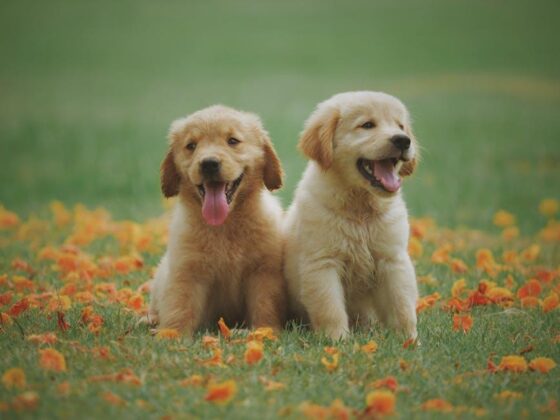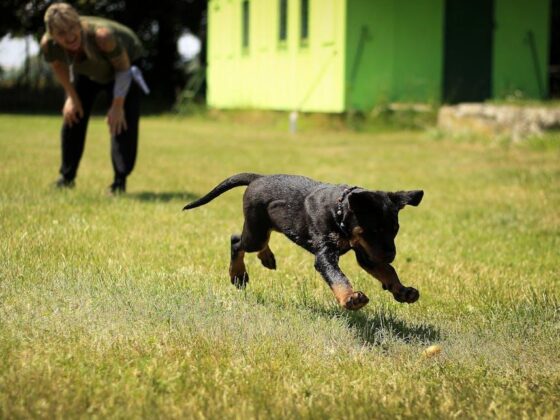

so, you’ve got a dog who’s equal parts adorable and chaotic-and you’re wondering if you can really teach them anything without hiring a pro or turning your living room into a boot camp. Good news: yes,you absolutely can. Training your dog at home doesn’t have to be serious, stressful, or complex. In fact, it can be a fun little bonding project you both look forward to.Whether you’re starting with the basics like “sit” and “stay,” or you just want to stop your pup from treating the couch like a chew toy, this guide is here to help. We’ll keep things simple, practicaland maybe a little silly-as happy training works best. Grab some treats, find a quiet spotand let’s make “Easy Dog Training at Home” your new favorite weekend activity.
Kick things off with a quick morning training session before breakfast
Before the coffee starts brewing, sneak in a tiny brain warm-up that gets your pup’s listening ears switched on. Keep it short, upbeat, and reward-heavy so it feels like play, not homework:
- Name ping: say their name once, then mark and treat the moment they make eye contact.
- Palm boop: offer your hand and reward a quick nose touch – instant confidence booster.
- Sit reset: ask for one sit, releaseand repeat twice. Done before the kettle whistles.
Wrap it up while tails are still wagging, then jot down the tiny win so you can build on it tomorrow. here’s a super-simple mini routine to keep in your back pocket:
| Move | Cue | Win |
|---|---|---|
| Name ping | “Rover!” | Eye contact |
| Palm boop | “touch” | Nose to hand |
| Sit reset | “Sit” | Calm tush |

Reward the exact behavior you want with tiny high value treats
Think of a treat as a laser pointer for behavior: it marks the exact instant your dog nails it. Keep pieces pea-sized or smaller,and deliver them within a second or two so the connection stays crystal clear. Try these quick wins:
- name game: say your dog’s name once, then treat the split second they look at you.
- Four paws down: reward calm floor time before jumping starts.
- Sit before the door: treat the butt touching the floor, not the eager wiggle after.
Not all rewards need to be big-tiny and tasty beats giant and boring.Use a treat pouch to keep goodies handyand swap flavors often so your dog stays interested.A few high-value bite-size options:
- Freeze-dried chicken bits
- Cheese cubes cut smaller than a pencil eraser
- Tiny sausage slivers for extra-distracting moments
Wrap up each session while your dog is still excited and successful
Think of every training moment like a great episode finale: you want a happy cliffhanger, not a sleepy credits roll. Quit while the tail is still wagging and your dog will drag you back to the “training game” tomorrow. Try closing with a tiny victory lap:
- Pick a win: one fast sit, a snappy name response, or a brilliant hand target.
- Pay big: reward that last success with a jackpot treat or favorite toy.
- Park the props: put treats and gear away calmly, so the fun feels finished-not stolen.
Watch for the sweet spot: shining eyes, quick responsesand a dog still offering behaviors. If focus starts to drift, that’s your cue to end on a mini high rather than push through “one more.” A short, sparkly finish beats a long, soggy session every time-and it keeps the home-training habit feeling like a treat, not a chore.
Practice cues in the kitchen living room and backyard for real world wins
Your home is basically a training playground with built-in distractions. In the kitchen, turn tiny moments into mini sessions: ask for a sit while the kettle boils, a wait at the doorwayand a down during TV ads in the living room. Keep it light and quick:
- Sit before the food bowl comes down.
- Wait at the fridge door, then release with “okay!”
- Come between the sofa and hallway for a treat toss.
- Place on a mat while you fold laundry.
Out back, let the backyard add easy proofing without overwhelming your pup. Practice stay while you bounce a ball, leave it near a garden potand heel along a short patio path. Those small, silly reps build real-life focus:
- Stay while you take one step toward the fence.
- Leave it with a toy just out of reach.
- Come when you call from the back steps.
- Settle on a blanket while you water plants.
Q&A
Got questions about training your pup at home? Here’s the quick-and-doggy lowdown. 🐾
Q: Do I really need fancy gear to train my dog at home?
A: Nope! Treats, a leash, a few toysand maybe a clicker are plenty. your living room can absolutely be a training zone-just clear the coffee table first.
Q: How long should training sessions be?
A: Short and sweet.Five to ten minutes is usually perfect, especially for puppies. A few mini-sessions a day beat one long, boring marathon. Think “snack-sized,” not “Thanksgiving dinner.”
Q: What’s the best treat to use?
A: Something small, smelly, and high-value-tiny bits of chicken, cheeseor freeze-dried treats work great. Cut them into pea-sized pieces so you’re not accidentally training a tiny food vacuum.
Q: My dog ignores me at home. What gives?
A: You might be competing with the sofa, squirrels outsideor a very interesting dust bunny. Start in a quiet spot, use upbeat praiseand reward the second your dog does the right thing. If it’s too hard, make it easier-training should feel like a game, not a pop quiz.
Q: Can I train an older dog at home?
A: Absolutely. Old dogs can learn new tricks-they just might prefer comfier rewards and shorter sessions. Patience and consistency go a long way.
Q: How frequently enough should I train?
A: Little and often is the magic combo. Aim for a few short sessions a day, and sneak in practice during real life-like “sit” before dinner or “wait” at the door.
Q: What if my dog gets it wrong?
A: No drama-just reset and make it easier. Don’t scold; your dog is probably confused, not plotting world domination. Reward what you do wantand ignore or gently redirect what you don’t.
Q: Should I use a clicker?
A: You can, but you don’t have to.A clicker can help mark the exact moment your dog nails it. If clicking feels like too much,a cheerful “yes!” works too.
Q: Can kids help with training?
A: Yes, with supervision. Keep rules simple, let kids hand out treats, and make sure everyone uses the same cue words.Otherwise your dog might learn “sit” means “sit for Mom” and “interpretive dance” for everyone else.
Q: What if my dog has serious behavior issues?
A: For things like aggression, severe anxietyor biting, skip the DIY route and chat with a vet or certified behavior professional.At-home training is great for everyday manners-not for every situation.
Q: What’s the No. 1 tip for easy at-home training?
A: Keep it fun, keep it short, and keep the treats coming.If you and your dog are both having a good time,you’re doing it right. 🐶
Closing Remarks
And there you have it – your crash course in easy, at-home dog training! 🐾 Remember, you don’t need a fancy trainer or a ton of gear to teach your pup the basics. A little patience, a few tasty treatsand some consistent (and silly) practice sessions are all it takes. Start small, keep it funand don’t stress if your dog has a “oops” moment – we all do. Celebrate the tiny wins, laugh off the mess-upsand enjoy the bond you’re building together. Got a training question or a funny fail to share? Drop it in the comments – we’re all in this pawsome journey together! 🐶✨